
This article is for educational purposes only and does not constitute legal advice. If you need help with debt collectors or your credit report, contact the AJS Financial Solutions team today.

If a debt collector has ever called you out of the blue about a debt you barely remember—or one you are certain you do not owe—you are not alone. Debt collection is a multi-billion-dollar industry, and debts are routinely bought, sold, and resold, often with incomplete or inaccurate records. Before you pay a single dollar or even acknowledge the debt on the phone, federal law gives you a powerful tool: the right to demand proof. That tool is called debt validation, and knowing when and how to use it could protect you from paying a debt that is not yours, is wrong in amount, or has already been settled.
What Is Debt Validation?
Debt validation is the legal process by which a consumer demands written proof from a third-party debt collector that a debt is legitimate. It is governed by the Fair Debt Collection Practices Act (FDCPA), specifically Section 1692g, which is one of the most powerful consumer protection laws in the United States. It costs nothing to use, and it puts the legal burden squarely on the collector.
Under the FDCPA, when a third-party debt collector first contacts you, they are required by law to send you a written validation notice within five days of that initial contact. That notice must include:
- The total amount of the debt
- The name of the original creditor
- A statement that you have 30 days to dispute the debt in writing
- A statement that if you dispute the debt, the collector will obtain verification and mail it to you
Once you send your written dispute within that 30-day window, all collection activity must stop until the collector provides proper verification. That includes calls, letters, and credit reporting. This pause is the core leverage of debt validation—and most consumers never use it.
How Debt Validation Works: Step by Step
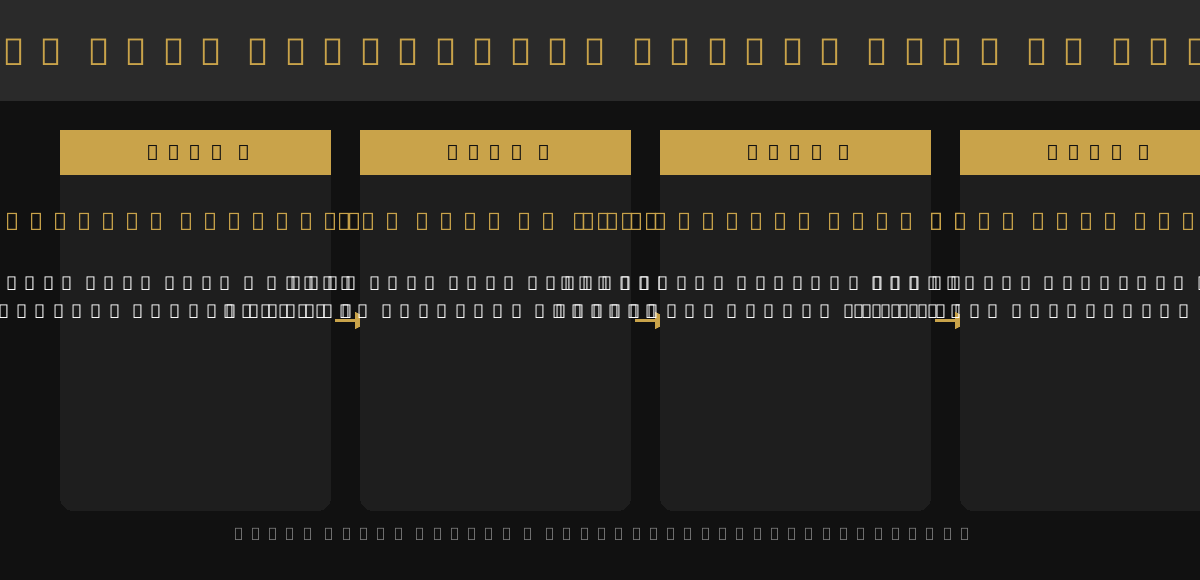
The process is straightforward, but the details matter. Here is what happens from start to finish:
Step 1: The Collector Contacts You
A third-party debt collector reaches out, either by phone or in writing. Within five business days of that first contact, they must send you a written validation notice. The moment you receive that notice, your 30-day clock starts ticking.
Step 2: You Send a Debt Validation Letter
Within 30 days of receiving the validation notice, you send a written debt validation letter to the collector. This letter says, in effect: “Prove it.” It must be sent in writing—verbal disputes do not trigger your FDCPA rights. Send it by certified mail with a return receipt so you have proof of delivery and a timestamp. Do not include any payment with the letter; sending money can be interpreted as acknowledging the debt.
Step 3: Collection Activity Must Stop
Once the collector receives your written dispute, they are legally required to halt all collection activity. They cannot call you, send collection letters, or report the debt to credit bureaus until they respond with proper verification. If they continue collecting while your dispute is pending and before providing verification, they have violated the FDCPA. That violation entitles you to sue in federal or state court within one year, with potential damages up to $1,000 plus attorney fees.
Step 4: The Collector Must Verify or Drop the Debt
The collector must now produce documentation proving the debt is real and that they have the legal right to collect it. This typically includes the name of the original creditor, the account number, the amount owed and how it was calculated, and proof that the collector has the right to collect. If they cannot provide this documentation—which happens more often than you might expect, since debts are frequently sold with incomplete records—they must stop collection activity entirely.
Debt Validation vs. Debt Verification: What Is the Difference?
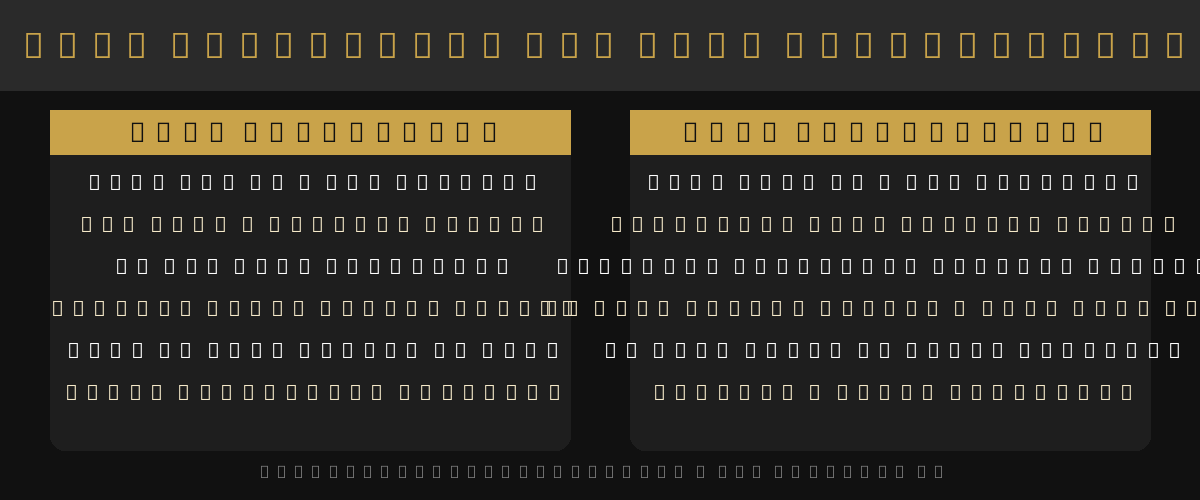
These two terms are often confused, but they describe different sides of the same legal mechanism. Debt validation refers to what you do—it is the written request you send to the collector under FDCPA §1692g, demanding proof. Debt verification refers to what the collector must do in response—they must produce the documentation that proves the debt is legitimate and that they have the authority to collect it.
It is also important to distinguish debt validation from a cease-and-desist letter. A cease-and-desist tells the collector to stop contacting you altogether. A debt validation request says: prove this debt before you do anything else. Validation keeps your options open while forcing the collector to do their homework. A cease-and-desist shuts down communication entirely but does not require the collector to prove anything.
Debt validation is also different from an FCRA §609 letter, which is sent to a credit bureau, not a collector, and requests disclosure of your credit file information. These are separate legal rights under separate statutes, targeting different recipients. Use the debt validation letter when a collector contacts you. Use the FCRA dispute process when you are addressing inaccurate items on your credit report.
When Should You Request Debt Validation?
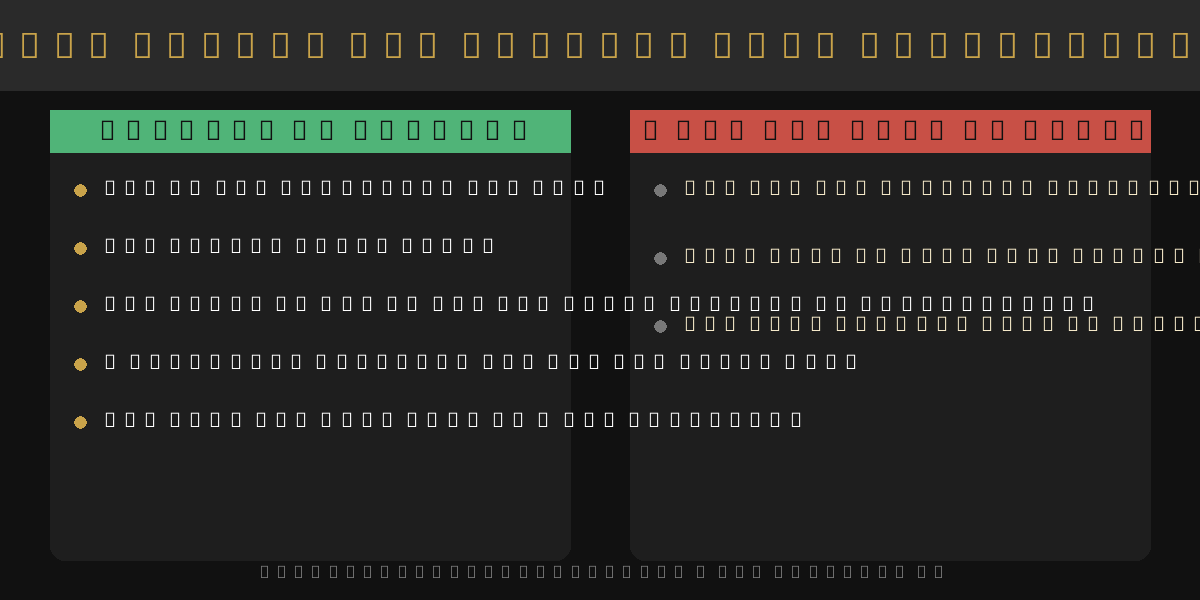
Debt validation is most valuable in specific situations. You should seriously consider sending a validation letter when:
- You do not recognize the debt. Identity theft, clerical errors, and mistaken identity are all common. If you have no record of this debt, demand proof before doing anything else.
- The amount seems wrong. Debts can accumulate fees, interest, and errors as they change hands. If the amount looks inflated or unfamiliar, validation forces the collector to break it down.
- You think the debt may be too old. Every state has a statute of limitations on debt. In Texas, for example, the limit is generally four years. If a debt is past the statute of limitations, it is “time-barred” and a collector may not be able to sue you to collect it. Validation can help you determine the age of the debt.
- A new collector contacts you. Debts are sold frequently, sometimes multiple times. Each time a new collector contacts you, your 30-day validation window resets for that collector. Always validate with a new collector before paying anything.
- You want to verify the collector has the legal right to collect. Not every company that contacts you actually owns your debt or has the authority to collect it. Validation forces them to prove it.
There are also situations where debt validation may not apply or may not help:
- The original creditor is contacting you directly. The FDCPA generally applies only to third-party debt collectors, not original creditors collecting their own debts. If your credit card company is calling you about your own account, FDCPA validation provisions may not apply, though some state laws extend similar protections.
- More than 30 days have passed since you received the first notice. The 30-day window is a hard deadline under federal law. After that, you can still request information, but the collector is not legally required to stop collection activity while they respond.
- You have already paid or settled the debt. If the debt is genuinely resolved, validation is not the tool you need—you may need documentation of the settlement instead.
What Counts as Proper Verification?
Many consumers send a validation letter and receive a response that is little more than a printout of a balance. That is generally not enough. Proper verification should include documentation that connects you to the original account—account statements, a copy of the original signed agreement, or records showing how the debt was calculated and transferred. Courts have not always required a high standard, but a bare assertion without supporting records is a weak response that may be worth challenging.
If the collector provides verification and you still believe the debt is inaccurate, your next step may be to dispute the item directly with the credit bureaus under the FCRA, or to consult a consumer protection attorney. If the collector continues collecting without providing valid verification, you have grounds to file a complaint with the Consumer Financial Protection Bureau (CFPB) and potentially pursue legal action.
How Debt Validation Fits into Credit Repair
Debt validation is not just a defensive tactic—it is a cornerstone of legitimate credit repair. Unverified or inaccurately reported collections can drag your credit score down for years. When a collector cannot validate a debt, they are typically required to cease collection and may need to remove the item from your credit report. That removal can produce a meaningful improvement in your score.
At AJS Financial Solutions, we help clients in San Antonio and across Texas understand and exercise their rights under the FDCPA and FCRA. If you have collection accounts on your credit report that you believe are inaccurate, unverifiable, or outdated, contact our team for a free consultation. Knowing your rights is the first step to rebuilding your financial future.
n
n
★ RECOMMENDED EXPERT
n
Hire a Mortgage & Finance Website Expert — WordPress Developer for Loan Officers & Brokers
n
If you are a loan officer, mortgage broker, or financial services professional looking to build or grow your online presence, your website is your most powerful lead-generation tool. A professionally designed mortgage website built for speed, mobile, and SEO can be the difference between a prospect choosing you or your competitor.
n
Whether you need a WordPress website for a loan officer, a high-converting landing page for a mortgage broker, SEO blog content for a finance website, or a full rebrand for your lending business, working with a developer who specialises in financial services makes all the difference.
n
We recommend Allah Rakha (mail2ullahrakha) — an experienced WordPress developer and finance website specialist with a proven track record building lead-generating websites for mortgage professionals, loan officers, credit repair companies, and financial advisors. Services include:
n
- n
- Mortgage broker and loan officer website design (WordPress, Elementor)
- Finance website SEO — rank higher on Google and attract qualified leads
- Landing pages for credit repair, home loans, auto loans, and personal finance
- SEO-optimised blog content for financial services and lending websites
- Website speed, security, and mobile optimisation for lenders and brokers
- CRM integration (GoHighLevel, HubSpot) for mortgage pipeline management
n
n
n
n
n
n
n
“A well-designed mortgage website is your 24/7 loan officer working while you sleep. The right developer understands compliance, conversion, and credibility.”
nView Mortgage & Finance Website Expert on Fiverr →n
This is an independent recommendation shared because we believe it adds genuine value to our readers.
n